“I love that feeling of coming across a sentence that is so real and true it takes your breath away. That’s pure magic!” —Julie Poole
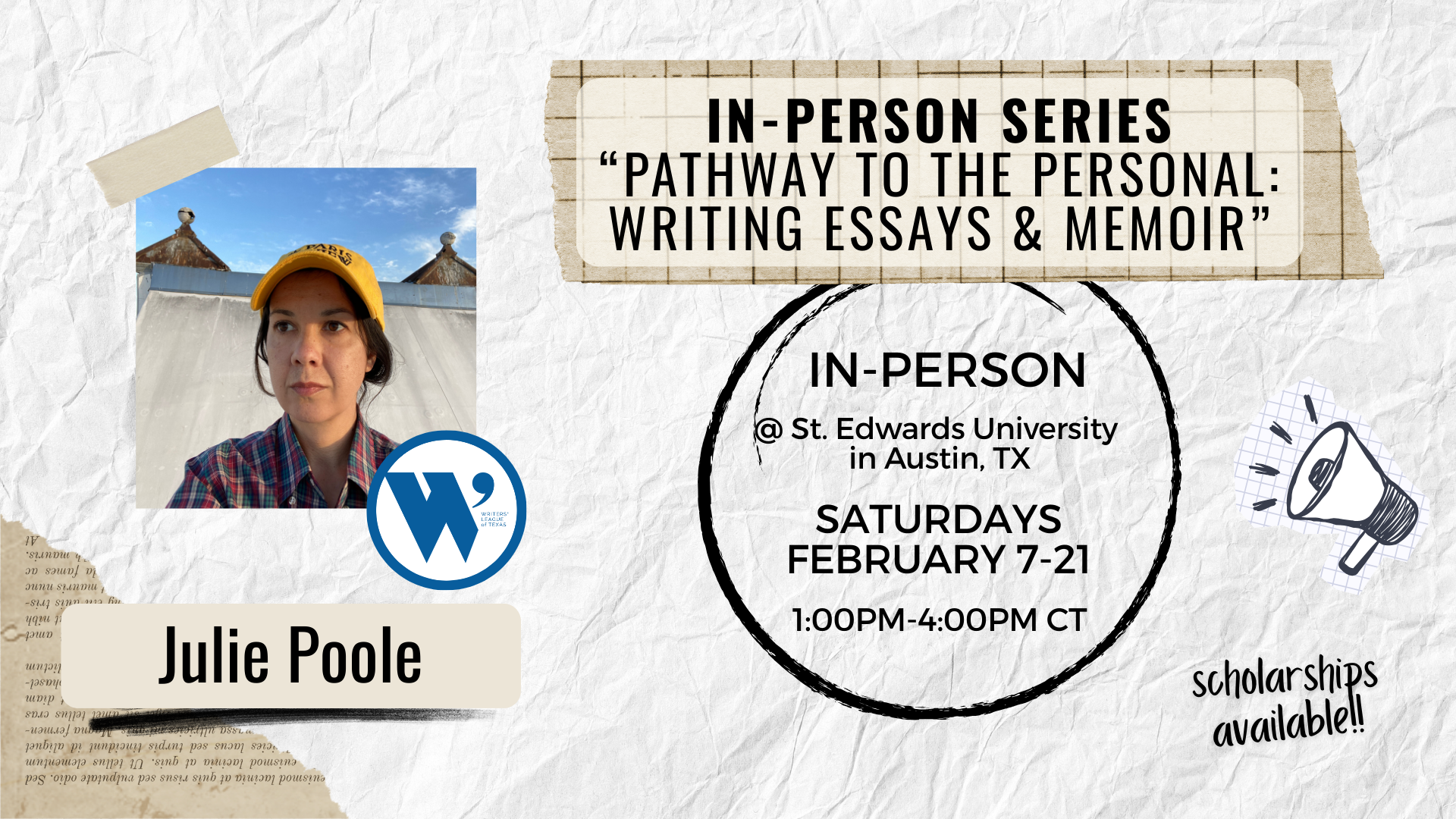
Over the course of three Saturdays, February 7, 14, and 21, Julie Poole will teach “Pathway to the Personal: Writing Essays and Memoir.” In this in-person class series, students will learn how to locate a story’s beginning, ending, structure, voice, and timeline, paying close attention to common pitfalls. Through assigned readings, silent writing times, and peer sharing, students will ultimately create a written nonfiction piece and develop a clear vision for where to take their story next.
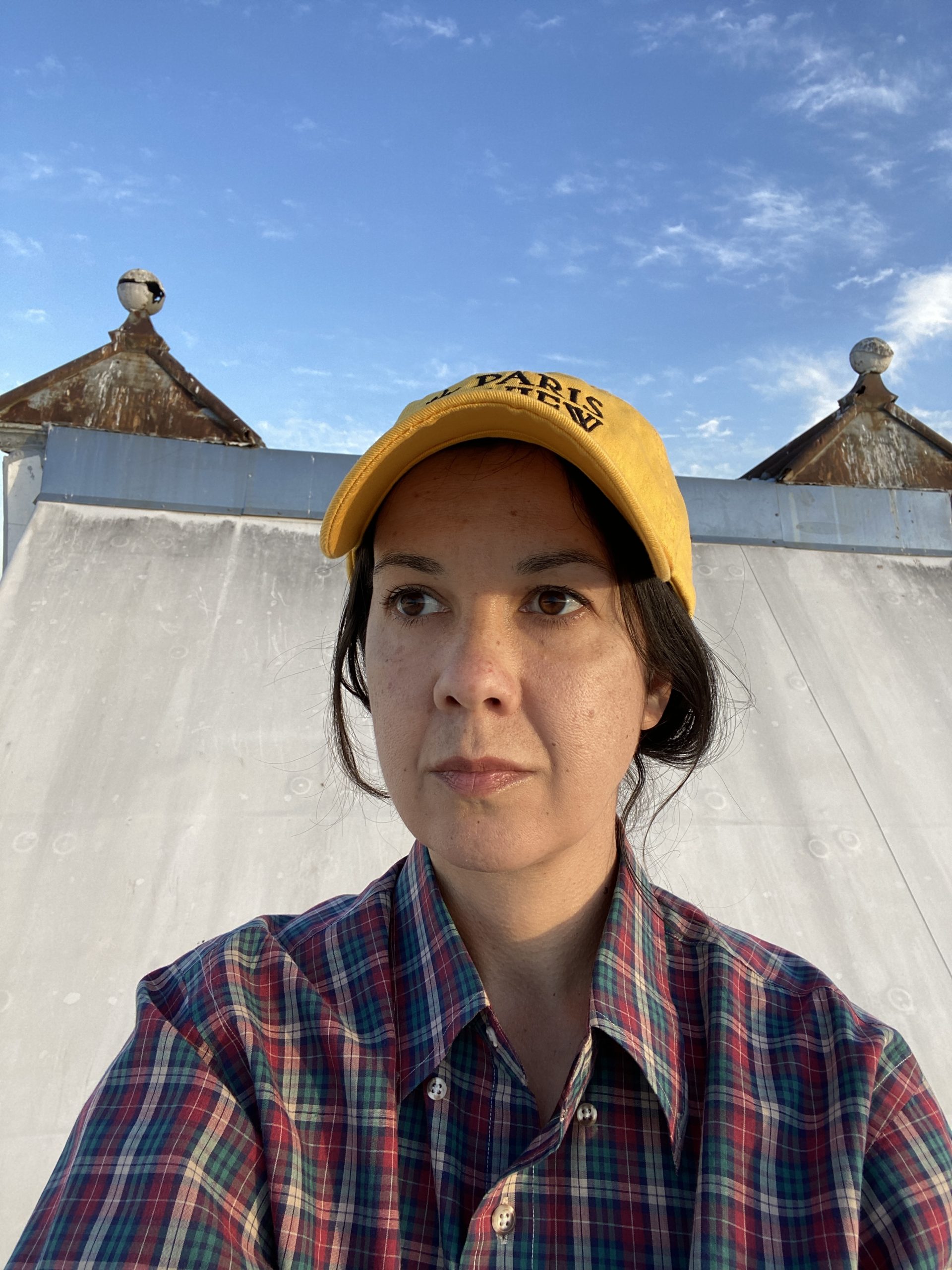
Julie Poole is a poet, journalist, and filmmaker based in Austin. Her first book of poems, Bright Specimen, was inspired by the Billie L. Turner Plant Resources Center at UT. Her second book Gorgeous Freak is out now. She has published poems in Poet Lore, Cold Mountain Review, and Denver Quarterly. Her essays and journalism can be found in the Texas Observer, Texas Monthly, Bon Appétit, HuffPost, The Baffler, Slate, and The Nation. She is currently working on a memoir. For fun, she writes short stories about terrible jobs.
Here’s what Julie had to share with us:
Who are your earliest influences? What people and books made you a writer?
As a kid, I had a set of Flower Fairies books by Cicely Mary Barker. Looking back, these beautifully illustrated books probably ignited an early interest in botany.
I would say Whitman’s Leaves of Grass solidified my dream of becoming a writer. Also, I was heavily influenced by the Seattle music scene in the nineties, and thought if I couldn’t afford an instrument then, at the very least, I could pick up a pen.
What writing challenges have you faced? What have these challenges taught you about your process?
Too numerous to count really. Growing up low-income, the paths presented were narrowly defined. I worked a lot of service industry jobs just to get time to write. These sorts of jobs helped make it easier to talk to people. Thankfully, I’m well versed in the common issues that come up when you’re working class.
From your perspective, what’s the most rewarding part about being a writer?
Telling stories that haven’t been told yet but somehow feel so deeply familiar. As a reader, I love that feeling of coming across a sentence that is so real and true it takes your breath away. That’s pure magic!
Who do you write for?
Working class people, dreamers, life-long learners, and outcasts.
What do you hope writers will learn from your course?
I hope writers will feel connected to the process of writing, experiencing the pleasure of being in the early stages of a draft. I remind writers (and myself) that it’s all about progress not perfection–the smallest actions add up and that’s exciting! In covering the key elements of story, structure, and time, I hope writers will walk away with a keen sense of what makes personal narrative tick.
—
Thanks, Julie!
Click here to learn more about Julie’s upcoming class series.